RAW vs JPEG — which one should you actually be shooting?
Hey Friends,
It's been a minute! No you haven't managed to magically unsubscribe yourselves and we hope you'll stick with us as we come up with a plan for 2026 and beyond.
I've been thinking about RAW vs JPG a lot recently, mostly because how I shoot and what I shoot for (commercial vs just the family etc) changes
with time and I'm sure that's true for you, too... Anyways! I came up with an article on RAW vs JPG - Which we've seen done a gazillion times, but I thought I'd go for a refresh! The highlights (see what I did there) below.
If you've ever found yourself
staring at your camera's menu wondering what on earth "RAW" means and whether you should switch to it — you're definitely not alone.
This week on Digital Photography School, we're diving into one of the most common questions beginners (and even experienced shooters!) ask: what's the real difference
between RAW and JPEG, and which one is right for you?
Here's the quick version:
Think of a RAW file as a digital negative — it captures everything your camera sensor recorded, completely unprocessed. Nothing gets thrown away.
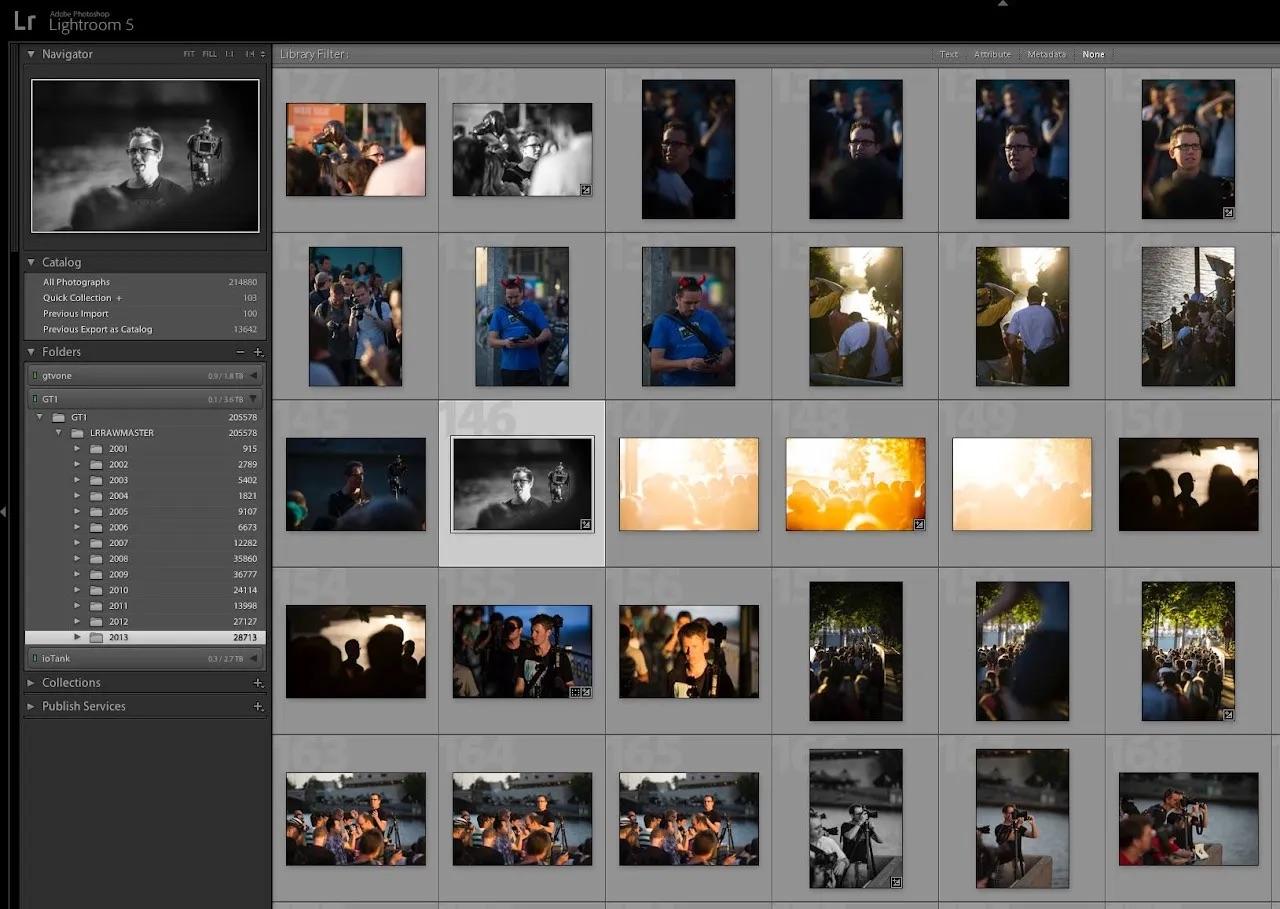
That means you get maximum flexibility when editing. Blown highlights? You can recover them. White balance off? Fix it perfectly in Lightroom with zero quality loss.
JPEG, on the other hand, is your camera doing the processing for you — fast, convenient, and ready to share straight away. If you're shooting fast-moving events or documentary work where you need to hand off photos quickly, JPEG is completely legitimate and used by professionals every
day.
And if you can't decide? Most cameras let you shoot RAW + JPEG at the same time — so you get the editing flexibility of RAW and a ready-to-share JPEG with every shot.